Carotid, Vertebral & Intracranial Artery Stenting in Ghaziabad – Advanced Stroke Prevention and Neurovascular Care
What is Carotid, Vertebral, and Intracranial Artery Stenting?
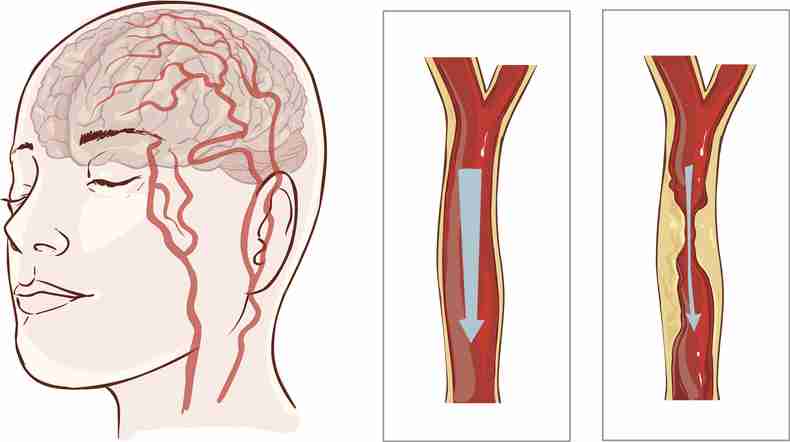
Carotid, Vertebral, and Intracranial Artery Stenting are advanced minimally invasive neurovascular procedures used to treat narrowing (stenosis) or blockage of arteries supplying blood to the brain. These conditions significantly increase the risk of transient ischemic attacks (TIAs), strokes, and other neurological complications.
The procedure involves placing a specialized stent inside the affected artery to restore normal blood flow, improve brain circulation, and reduce the risk of future stroke. Experienced neuro and spine surgeons in Ghaziabad utilize state-of-the-art endovascular techniques to diagnose and treat complex cerebrovascular diseases safely and effectively.
Understanding Cerebrovascular Stenosis
Blood reaches the brain through major arteries, including:
- Carotid Arteries
Located on either side of the neck, these arteries provide the majority of blood supply to the brain. - Vertebral Arteries
These arteries travel through the neck and supply the posterior portion of the brain, including the brainstem and cerebellum. - Intracranial Arteries
These are arteries located within the brain that can become narrowed due to atherosclerosis or other vascular conditions.
When these arteries become narrowed, blood flow to the brain is reduced, increasing the risk of stroke.
When is Artery Stenting Recommended?
Stenting may be recommended for patients with:
- Significant Carotid Artery Stenosis
- Vertebral Artery Narrowing
- Intracranial Artery Stenosis
- Recurrent Transient Ischemic Attacks (TIAs)
- Previous Stroke Due to Arterial Narrowing
- High-Risk Patients Unsuitable for Open Surgery
- Progressive Neurological Symptoms
- Reduced Brain Blood Flow Identified on Imaging Studies
A comprehensive neurovascular evaluation helps determine the most appropriate treatment strategy.
Benefits of Carotid, Vertebral, and Intracranial Stenting
- stroke prevention
Restores blood flow and significantly reduces the risk of future strokes. - Minimally Invasive Treatment
No large surgical incision is required. - Faster Recovery
Most patients recover more quickly compared to traditional open vascular surgery. - Improved Brain Circulation
Enhances blood flow to critical brain structures. - Reduced Hospital Stay
Patients often return home within a short period after treatment. - Effective Alternative to Surgery
Offers a valuable option for patients who may not be suitable candidates for open surgical procedures.
Conditions Treated with Neurovascular Stenting
- Carotid Artery Disease
- Vertebral Artery Stenosis
- Intracranial Atherosclerotic Disease
- Recurrent TIAs
- Ischemic Stroke Risk
- Cerebrovascular Insufficiency
- Symptomatic Brain Artery Narrowing
How is Artery Stenting Performed?
The procedure is performed in a specialized neuro-interventional suite under local anesthesia with sedation or general anesthesia.
- A catheter is inserted through an artery in the groin or wrist.
- Advanced imaging guides the catheter to the narrowed artery.
- A small balloon may be used to widen the narrowed segment.
- A specialized stent is deployed to keep the artery open.
- Blood flow is immediately improved.
- The catheter is removed, and the access site is sealed.
The procedure is performed using real-time angiographic imaging for maximum precision and safety.
Recovery After Neurovascular Stenting
Recovery is typically rapid.
Most patients can expect:
- Observation and neurological monitoring
- Hospital stay of one to two days
- Early mobilization after the procedure
- Return to routine activities within a few days
- Follow-up imaging to assess stent function
- Ongoing medication to maintain healthy blood flow
Long-term management of blood pressure, cholesterol, diabetes, and lifestyle factors is important for preventing future vascular events.
Why Choose a Neuro and Spine Surgeon in Ghaziabad?
Advanced neurovascular procedures require specialized expertise in cerebrovascular anatomy, stroke management, and endovascular intervention. Experienced neuro and spine surgeons in Ghaziabad use cutting-edge angiography systems, high-resolution imaging, and evidence-based treatment protocols to provide comprehensive stroke prevention and vascular care.
Their multidisciplinary approach focuses on restoring cerebral circulation, minimizing stroke risk, and improving long-term neurological health.
Frequently Asked Questions (FAQs)
- What is carotid artery stenting?
Carotid artery stenting is a minimally invasive procedure that opens narrowed carotid arteries and improves blood flow to the brain. - What is vertebral artery stenting?
Vertebral artery stenting is used to treat narrowing in the vertebral arteries that supply blood to the brainstem and posterior brain. - What is intracranial stenting?
Intracranial stenting involves placing a stent within a narrowed artery inside the brain to improve blood circulation and reduce stroke risk. - Why is artery stenting performed?
It is performed to prevent stroke, improve brain blood flow, and treat significant arterial narrowing. - Is artery stenting safer than open surgery?
For selected patients, stenting offers a less invasive alternative with shorter recovery times. - How long does the procedure take?
Most procedures take one to three hours depending on the complexity and location of the narrowing. - Will I need to stay in the hospital?
Most patients stay in the hospital for one or two days following the procedure. - What medications are required after stenting?
Patients are usually prescribed antiplatelet medications to prevent clot formation inside the stent. - What are the risks of artery stenting?
Potential risks include stroke, bleeding, vessel injury, restenosis, and clot formation, although serious complications are uncommon when performed by experienced specialists. - Can artery stenting prevent future strokes?
Yes. By improving blood flow and reducing arterial narrowing, stenting can significantly lower the risk of future stroke in appropriately selected patients.
Book a Consultation for Neurovascular Stenting in Ghaziabad
If you have been diagnosed with carotid artery disease, vertebral artery stenosis, intracranial artery narrowing, or have experienced a TIA or stroke, early treatment is essential. Consult an experienced neuro and spine surgeon in Ghaziabad for advanced neurovascular evaluation and minimally invasive stenting procedures. Timely intervention can help restore blood flow, prevent stroke, and protect your long-term brain health.
Ready to Consult Dr. Gaurav Batra?
Book your appointment today and get expert vascular care in Kutch.
Dr. Gaurav Batra
Senior Consultant Brain & Spine Surgery Specialist Max Super Speciality Hospital