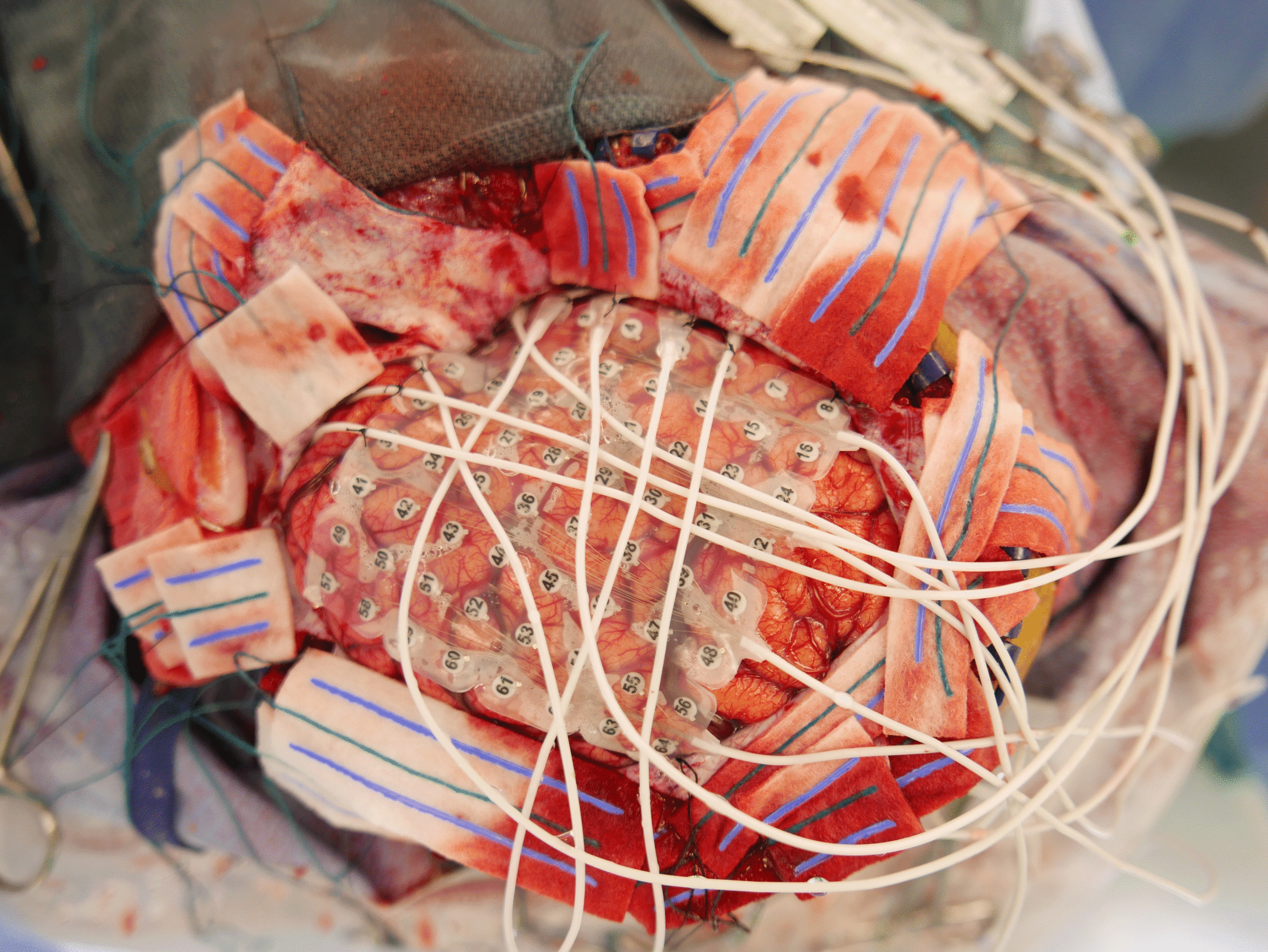
Epilepsy Surgery in Ghaziabad – Advanced Treatment by Expert Neuro & Spine Surgeons
Epilepsy Surgery: A Life-Changing Solution for Drug-Resistant Seizures
Epilepsy is a neurological disorder characterized by recurrent seizures caused by abnormal electrical activity in the brain. While many patients achieve seizure control with medications, some continue to experience frequent seizures despite taking anti-epileptic drugs. In such cases, epilepsy surgery may offer a safe and effective treatment option.
Experienced neuro and spine surgeons in Ghaziabad provide advanced epilepsy surgery using state-of-the-art diagnostic tools and microsurgical techniques to help patients achieve better seizure control, improved quality of life, and greater independence.
What is Epilepsy Surgery?
Epilepsy surgery is a specialized neurosurgical procedure designed to identify and treat the area of the brain responsible for triggering seizures. The primary goal is to reduce or completely eliminate seizures while preserving essential brain functions such as speech, memory, movement, and sensation.
Surgery is typically considered when seizures cannot be adequately controlled with medications and significantly affect daily life.
When is Epilepsy Surgery Recommended?
Epilepsy surgery may be recommended for patients who:
- Continue to experience seizures despite medication
- Have focal epilepsy originating from a specific brain region
- Experience frequent or disabling seizures
- Suffer from medication-related side effects
- Have brain abnormalities such as tumors, scars, or vascular malformations causing seizures
A comprehensive evaluation is essential before determining surgical eligibility.
Symptoms of Uncontrolled Epilepsy
Patients with drug-resistant epilepsy may experience:
- Recurrent seizures
- Sudden loss of consciousness
- Uncontrolled body movements
- Temporary confusion
- Memory difficulties
- Staring spells
- Behavioral changes
- Falls and injuries related to seizures
Persistent seizures can impact education, employment, driving, and overall quality of life.
Comprehensive Pre-Surgical Evaluation
Before surgery, patients undergo advanced neurological assessment, including:
- Video EEG Monitoring
- Continuous recording of brain activity helps identify the precise seizure focus
- MRI Brain Scan
- High-resolution imaging detects structural abnormalities causing seizures
- Functional Brain Mapping
- Specialized testing identifies critical areas responsible for speech, memory, and movement
- Neuropsychological Assessment
- Evaluates cognitive function and helps guide treatment planning
- Advanced Neuroimaging
- PET and SPECT scans may be used in selected cases to localize seizure activity
Types of Epilepsy Surgery
- Resective Surgery
The most common epilepsy procedure, involving removal of the seizure-producing area of the brain. - Temporal Lobectomy
Often performed for temporal lobe epilepsy and associated with excellent long-term seizure control. - Lesionectomy
Removal of tumors, scar tissue, or abnormal brain lesions causing seizures. - Corpus Callosotomy
A procedure that disconnects communication between the brain's hemispheres to reduce severe seizure spread. - Hemispherectomy
Reserved for selected pediatric patients with extensive disease affecting one hemisphere. - Laser Ablation and Minimally Invasive Procedures
Advanced centers may offer minimally invasive techniques to target seizure-generating tissue with minimal disruption to surrounding brain structures. - Vagus Nerve Stimulation (VNS)
A device-based therapy that helps reduce seizure frequency in patients who are not suitable candidates for brain surgery.
Benefits of Epilepsy Surgery
Successful epilepsy surgery can provide:
- Significant reduction in seizure frequency
- Complete seizure freedom in selected patients
- Reduced dependence on medications
- Improved cognitive function
- Better social and professional opportunities
- Enhanced quality of life
- Increased independence and confidence
For many patients, surgery can be life-changing.
Why Choose Expert Neuro & Spine Surgeons in Ghaziabad?
Leading neurosurgical centers in Ghaziabad offer:
- Specialized epilepsy surgery programs
- Advanced neurodiagnostic facilities
- Video EEG monitoring units
- High-resolution MRI and functional imaging
- Microsurgical expertise
- Minimally invasive treatment options
- Dedicated neurocritical care services
- Comprehensive rehabilitation support
A multidisciplinary team of neurosurgeons, neurologists, neuropsychologists, and rehabilitation specialists ensures personalized treatment for every patient.
Recovery After Epilepsy Surgery
Recovery varies depending on the type of procedure performed. Most patients stay in the hospital for a few days and gradually resume normal activities over several weeks.
Postoperative care includes:
- Neurological monitoring
- Medication management
- Follow-up EEG assessments
- Rehabilitation when needed
- Long-term seizure monitoring
Many patients experience significant improvements in seizure control and daily functioning following surgery.
Ready to Consult Dr. Gaurav Batra?
Book your appointment today and get expert vascular care in Kutch.
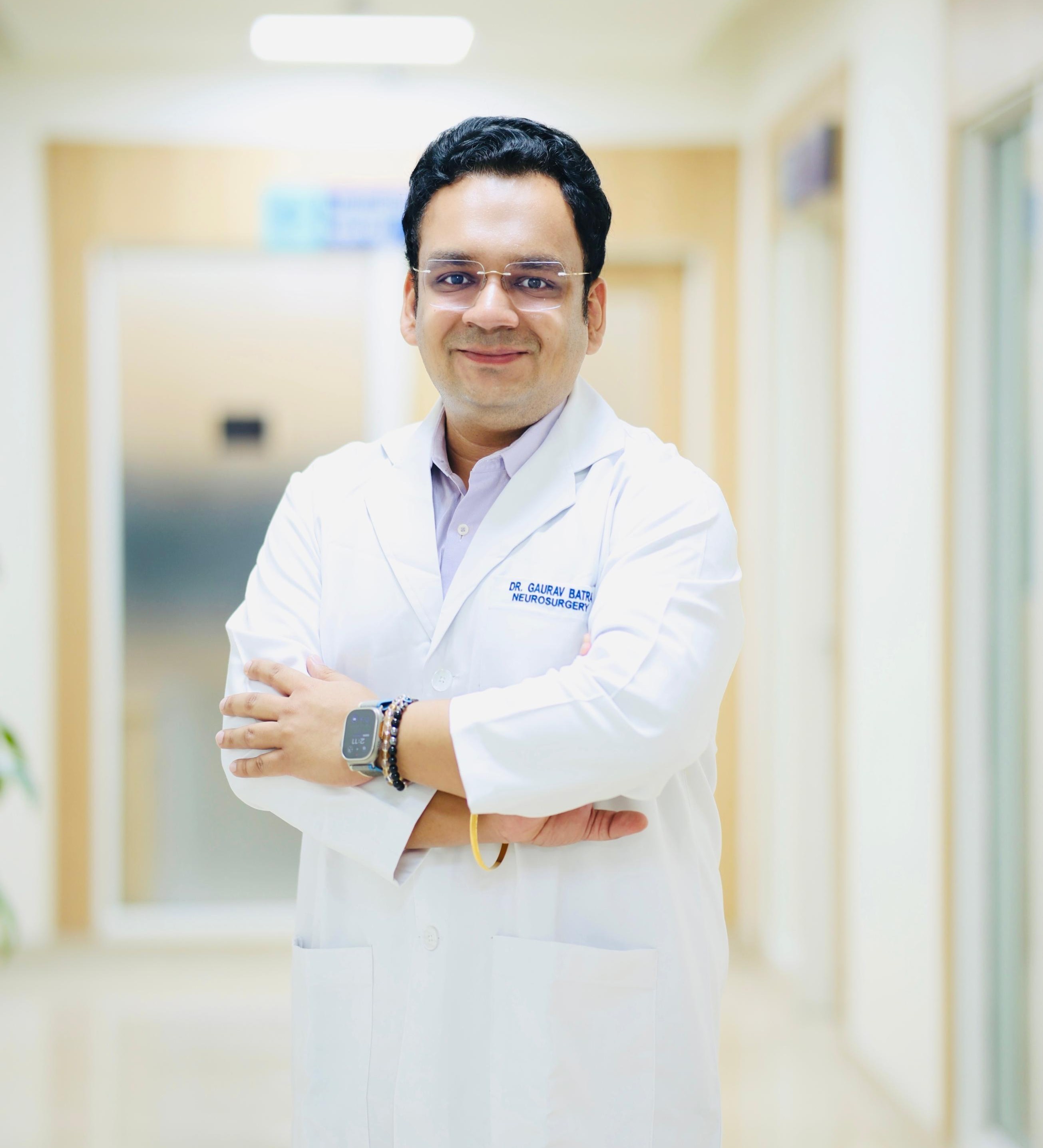
Dr. Gaurav Batra
Senior Consultant Brain & Spine Surgery Specialist Max Super Speciality Hospital