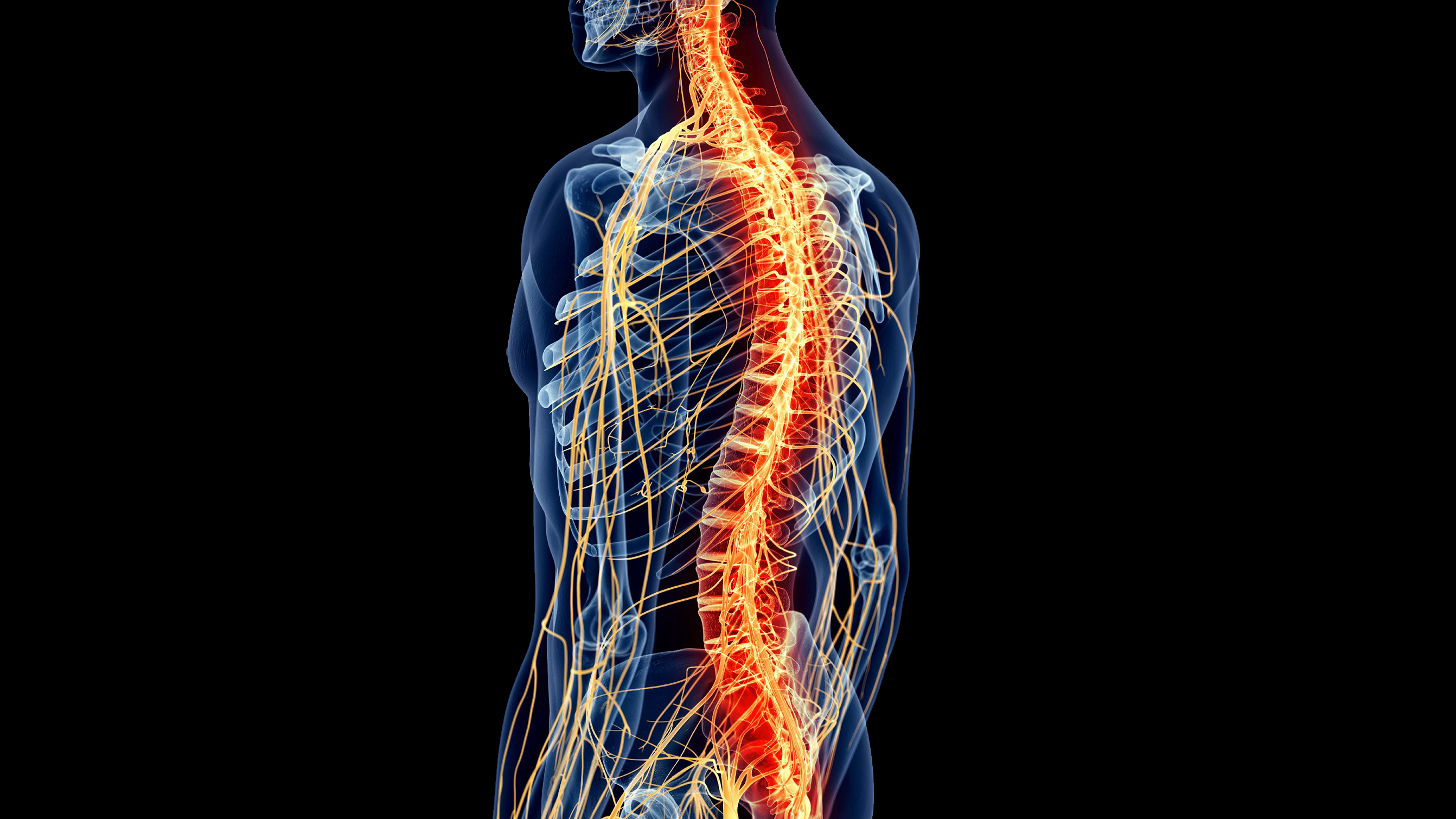
Spinal Cord Injury Treatment in Ghaziabad – Advanced Care for Spine Trauma and Neurological Recovery
What is a Spinal Cord Injury?
A spinal cord injury (SCI) occurs when damage to the spinal cord disrupts communication between the brain and the rest of the body. These injuries can result from trauma, accidents, falls, sports injuries, or certain medical conditions and may lead to loss of movement, sensation, and bodily functions below the level of injury.
Spinal cord injuries are medical emergencies that require immediate evaluation and specialized treatment. Experienced neuro and spine surgeons in Ghaziabad provide advanced diagnostic, surgical, and rehabilitation services to help patients achieve the best possible recovery and quality of life.
Causes of Spinal Cord Injuries
Spinal cord injuries can occur due to:
- Road Traffic Accidents
- Falls from Height
- Sports Injuries
- Workplace Accidents
- Violence or Trauma
- Spinal Fractures
- Tumors Compressing the Spinal Cord
- Infections Affecting the Spine
- Degenerative Spine Disorders
- Congenital Spinal Abnormalities
Early treatment is essential to minimize permanent neurological damage.
Types of Spinal Cord Injuries
- Complete Spinal Cord Injury
A complete injury results in total loss of motor and sensory function below the level of injury. - Incomplete Spinal Cord Injury
An incomplete injury allows some degree of movement or sensation below the affected area. - Cervical Spinal Cord Injury
Affects the neck region and may impact movement and sensation in all four limbs (quadriplegia). - Thoracic Spinal Cord Injury
Occurs in the upper or middle back and may affect the trunk and lower limbs. - Lumbar and Sacral Spinal Cord Injury
Affects the lower back and may impact leg function, bladder, bowel, and sexual function.
Symptoms of Spinal Cord Injury
Symptoms vary depending on the location and severity of the injury and may include:
- Neck or Back Pain
- Weakness in Arms or Legs
- Loss of Sensation
- Numbness or Tingling
- Paralysis
- Difficulty Walking
- Loss of Bladder Control
- Loss of Bowel Control
- Muscle Spasms
- Difficulty Breathing
- Loss of Balance and Coordination
Any suspected spinal cord injury requires immediate medical attention.
How is a Spinal Cord Injury Diagnosed?
Diagnosis involves:
- Detailed Neurological Examination
- MRI Scan
- CT Scan
- X-rays of the Spine
- Assessment of Motor and Sensory Function
- Evaluation of Bladder and Bowel Function
Advanced imaging helps determine the extent of spinal cord damage and guide treatment planning.
Treatment Options for Spinal Cord Injuries
- Emergency Stabilization
Immediate immobilization and stabilization help prevent further spinal cord damage. - Spinal Decompression Surgery
Surgery may be performed to relieve pressure on the spinal cord caused by fractures, disc herniation, bleeding, or swelling. - Spine Fixation and Stabilization
Metal screws, rods, and other implants may be used to stabilize spinal fractures and restore alignment. - Minimally Invasive Spine Surgery
Selected patients may benefit from advanced minimally invasive procedures that reduce tissue damage and recovery time. - Rehabilitation Therapy
Comprehensive rehabilitation includes: - Physical Therapy
- Occupational Therapy
- Mobility Training
- Pain Management
- Bladder and Bowel Rehabilitation
- Psychological Support
Benefits of Early Treatment
- Prevents Further Neurological Damage
Prompt intervention can reduce the risk of worsening spinal cord injury. - Improves Functional Recovery
Early treatment and rehabilitation maximize recovery potential. - Restores Spinal Stability
Surgical stabilization helps maintain proper spinal alignment. - Enhances Quality of Life
Comprehensive care supports independence and daily functioning. - Reduces Long-Term Complications
Timely treatment helps prevent complications such as pressure sores, infections, and muscle contractures.
Recovery After Spinal Cord Injury
Recovery depends on:
- Severity of the Injury
- Level of Spinal Cord Damage
- Timing of Treatment
- Patient Age and Overall Health
- Rehabilitation Participation
Many patients benefit from long-term rehabilitation programs focused on improving strength, mobility, and independence.
Why Choose a Neuro and Spine Surgeon in Ghaziabad?
Managing spinal cord injuries requires specialized expertise in neurosurgery, spine surgery, trauma care, and neurological rehabilitation. Experienced neuro and spine surgeons in Ghaziabad utilize advanced imaging, modern surgical techniques, and multidisciplinary rehabilitation programs to provide comprehensive spinal cord injury care.
Their goal is to preserve neurological function, restore spinal stability, and help patients achieve the highest possible level of recovery.
Book a Consultation for Spinal Cord Injury Treatment in Ghaziabad
If you or a loved one has suffered a spinal cord injury, immediate medical attention is crucial. Consult an experienced neuro and spine surgeon in Ghaziabad for comprehensive evaluation, advanced surgical treatment, and personalized rehabilitation planning. Early diagnosis and expert care can significantly improve recovery, mobility, and long-term quality of life.
Ready to Consult Dr. Gaurav Batra?
Book your appointment today and get expert vascular care in Kutch.

Dr. Gaurav Batra
Senior Consultant Brain & Spine Surgery Specialist Max Super Speciality Hospital